China's Economic Dominance: How the Dragon Became the World's Largest Economy
China's transformation from economic backwater to global superpower. Explore the policies, investments, and strategies that created the world's largest economy.
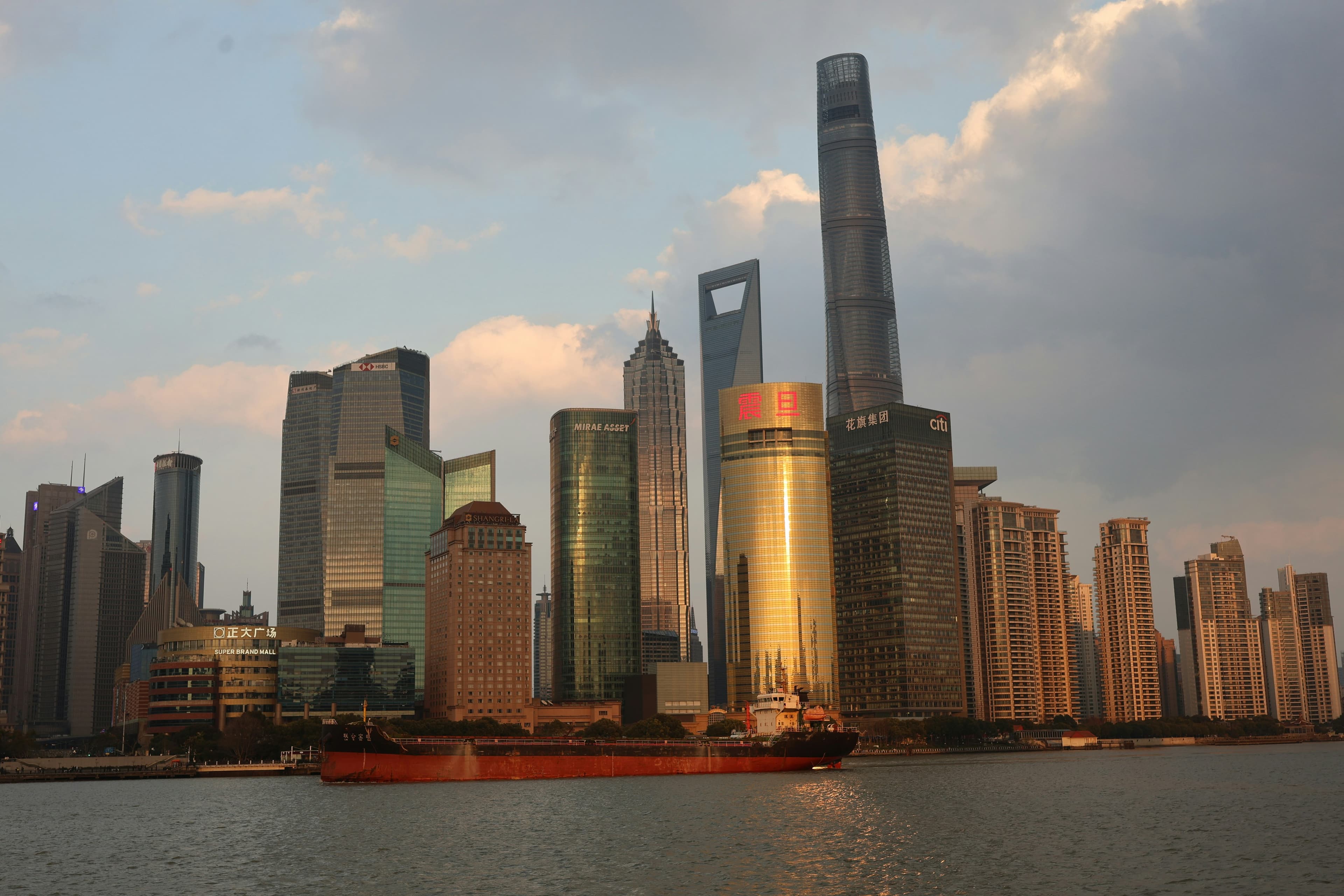
China's Economic Dominance: How the Dragon Became the World's Largest Economy
Published: November 20, 2025
China's rise from economic backwater to global superpower is one of the most remarkable stories of the modern era. In 2025, China officially became the world's largest economy by nominal GDP, surpassing the United States. This achievement represents not just economic success, but a fundamental shift in global economic power.
The Scale of Achievement
China's economy is now larger than the combined economies of the next three largest (US, Japan, Germany). This wasn't achieved through resource wealth or historical advantage, but through deliberate policy and massive investment.
Key metrics of dominance:
- GDP: $18.5 trillion (nominal), $27.3 trillion (PPP)
- Manufacturing output: World's largest producer of 200+ industrial products
- Trade volume: Largest exporter and second-largest importer
- Infrastructure: World's most extensive high-speed rail network
- Innovation: Leading in 5G, AI, quantum computing, and renewable energy
The Policy Framework
China's economic success is built on a unique blend of state direction and market forces.
Core strategies:
- State-owned enterprises: Strategic control of key industries
- Five-Year Plans: Long-term economic planning and target setting
- Special Economic Zones: Testing grounds for market reforms
- Infrastructure investment: Massive spending on roads, rails, and ports
- Education focus: Producing millions of STEM graduates annually
Technological Leadership
China's economic dominance extends into technology, challenging Western leadership in key areas.
Technological achievements:
- 5G networks: 2.3 million base stations (vs. 900k in US)
- Electric vehicles: 60% of global EV market share
- Solar panels: 80% of global production
- AI development: Heavy investment in machine learning and automation
- Space program: Independent space station and lunar missions
Global Supply Chain Control
China's manufacturing dominance gives it unprecedented influence over global supply chains.
Strategic advantages:
- Complete ecosystems: From raw materials to finished products
- Scale economies: Cost advantages through massive production volumes
- Innovation speed: Rapid iteration and improvement cycles
- Quality control: World-class manufacturing standards
- Logistics networks: Efficient distribution worldwide
Challenges and Vulnerabilities
Despite its success, China faces significant challenges that could impact its continued dominance.
Internal challenges:
- Demographic shift: Aging population and declining workforce
- Debt levels: High corporate and local government debt
- Environmental costs: Pollution and resource depletion
- Income inequality: Growing wealth gap between urban and rural areas
- Innovation dependence: Still reliant on foreign technology in some areas
External pressures:
- Trade tensions: Ongoing disputes with major trading partners
- Technology restrictions: Limits on access to advanced chips and software
- Geopolitical conflicts: Territorial disputes affecting trade routes
Implications for Global Business
China's economic dominance reshapes how businesses worldwide operate.
Business implications:
- Market opportunities: 1.4 billion consumers and growing middle class
- Supply chain risks: Dependence on Chinese manufacturing
- Competition: Chinese companies expanding globally
- Investment flows: China as major source of foreign investment
- Technology partnerships: Collaboration and technology transfer
The Future Trajectory
China's path forward will determine the shape of the global economy for decades.
Possible scenarios:
- Continued growth: Leveraging domestic market and technological innovation
- Structural reforms: Addressing demographic and debt challenges
- Global leadership: Setting standards in trade, technology, and finance
- Internal challenges: Managing inequality and environmental issues
China's economic rise demonstrates how strategic planning, massive investment, and technological adoption can transform a nation's fortunes. As the world adjusts to this new reality, businesses and governments must adapt to a China-centric global economy.